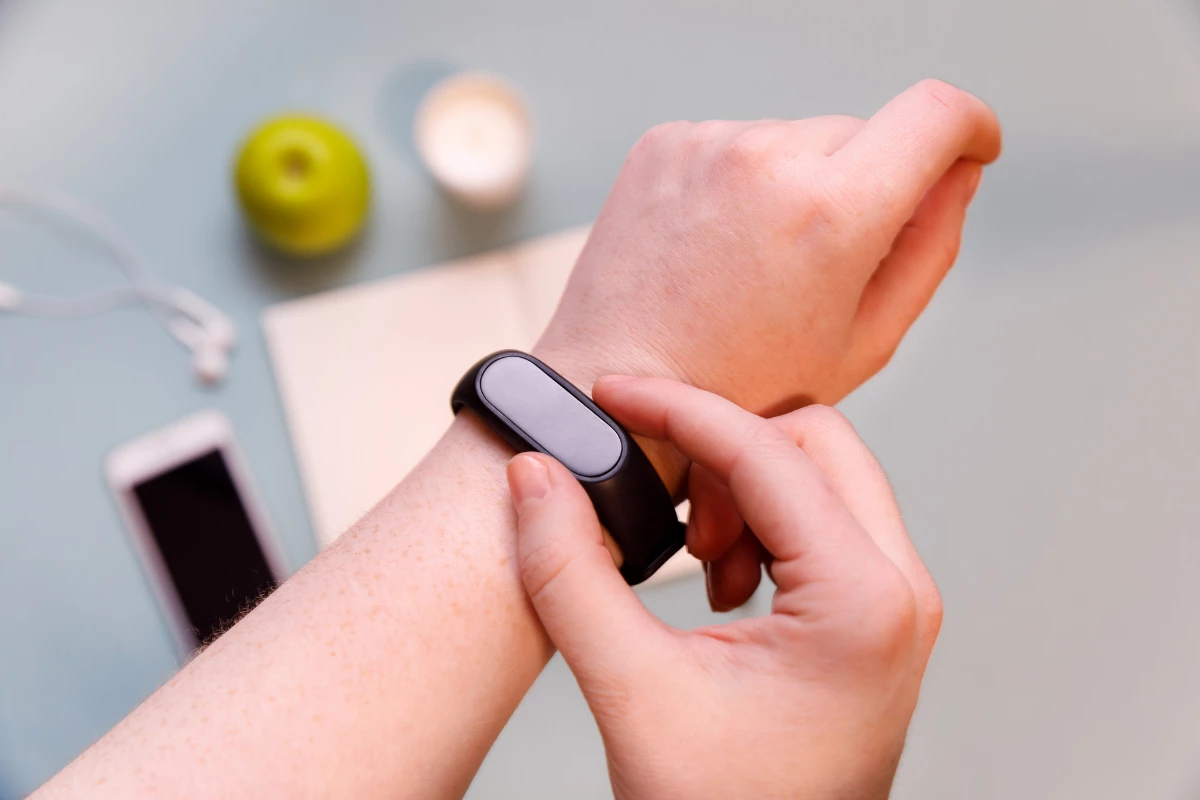

Understanding how our body responds to stress is a critical component of maintaining health and pursuing longevity. Heart Rate Variability (HRV) offers a window into this response, specifically reflecting the balance and resilience of our autonomic nervous system (ANS). By tracking HRV, we gain insights into our body’s capacity to adapt to various stressors—physical, mental, and emotional. This metric isn’t just about athletic performance; it’s increasingly recognized for its potential role in assessing overall health, recovery, and even as a marker in the broader conversation around longevity. It provides a personalized, objective measure of how well our nervous system is coping, offering actionable data that can inform lifestyle choices aimed at a healthier, longer life.
Heart Rate Variability and Exceptional Longevity
Heart Rate Variability refers to the variation in the time interval between consecutive heartbeats. It’s not about how fast your heart beats, but how much the timing between beats changes. A common misconception is that a perfectly regular heartbeat is ideal. In reality, a healthy heart isn’t a metronome; it constantly adjusts its rhythm to meet the body’s demands, reflecting the dynamic interplay between the sympathetic (“fight or flight”) and parasympathetic (“rest and digest”) branches of the autonomic nervous system.
Higher HRV generally indicates greater adaptability and a more robust nervous system. This adaptability is crucial for longevity because it signifies that the body can efficiently respond to stress, recover, and maintain homeostasis. For instance, a person with high HRV might experience a stressful event, but their nervous system quickly returns to a balanced state. Conversely, consistently low HRV suggests the sympathetic system might be overactive, leading to chronic stress, inflammation, and reduced recovery capacity—factors that can accelerate aging processes and increase susceptibility to various health issues.
Consider two individuals: one consistently reports high HRV, recovering quickly from workouts and managing daily stresses without significant impact on their sleep or energy levels. The other shows persistently low HRV, struggles with sleep, often feels fatigued, and finds even minor stressors overwhelming. Over time, the cumulative effect of chronic low HRV for the second individual could manifest as higher blood pressure, increased risk of cardiovascular disease, and a general decline in overall health, potentially impacting their healthspan and lifespan. Tracking HRV allows individuals to observe these long-term trends and make informed decisions about stress management, exercise, and recovery, aligning daily choices with their longevity goals.
Why Seniors Should Prioritize HRV Over Daily Step Counts
While daily step counts are a widely recognized metric for physical activity and certainly contribute to health, focusing solely on them can overlook deeper physiological indicators relevant to aging and longevity, especially for seniors. HRV offers a more nuanced view of the body’s internal state.
For seniors, maintaining physiological resilience becomes paramount. As we age, the autonomic nervous system’s ability to adapt can decline, leading to lower average HRV. However, proactive measures can help mitigate this decline. Prioritizing HRV means shifting focus from just external activity (like steps) to internal recovery and nervous system balance. A senior might meet their step goal but still exhibit low HRV due to inadequate sleep, chronic pain, or emotional stress. In such cases, adding more steps might even be counterproductive, further stressing an already taxed system.
Consider an older adult who walks 10,000 steps daily. If their HRV consistently indicates high stress and poor recovery, perhaps due to inadequate sleep or underlying health conditions, simply adding more steps might not be the most beneficial approach. Instead, incorporating practices aimed at improving HRV, such as mindful breathing exercises, gentle yoga, or ensuring sufficient, high-quality sleep, might yield greater long-term health benefits. These activities directly support the parasympathetic nervous system, enhancing the body’s ability to rest, repair, and adapt. While steps remain important for cardiovascular health and mobility, HRV provides a critical layer of personalized data that can guide seniors toward more balanced and effective longevity strategies, ensuring their efforts contribute to true physiological resilience rather than just activity.
Heart Rate Variability and Longevity: Your Guide to HRV
To effectively use HRV as a tool for longevity, understanding its measurement and interpretation is essential. HRV is typically measured in milliseconds (ms), and higher values are generally considered better. Common devices for tracking HRV include wearables like the Oura Ring, Whoop, and Apple Watch, as well as dedicated chest strap monitors that pair with smartphone apps. These devices often measure HRV during sleep or during a short, consistent morning reading.
Interpreting HRV isn’t about chasing the highest number possible every day. Instead, it’s about understanding your personal baseline and observing trends. Your HRV is influenced by numerous factors, including:
- Sleep quality: Poor sleep almost universally lowers HRV.
- Stress: Mental, emotional, and physical stress (e.g., intense workouts) can temporarily decrease HRV.
- Nutrition: Hydration, alcohol intake, and even certain foods can impact HRV.
- Illness: Sickness often results in a noticeable drop in HRV.
- Exercise: Overtraining can suppress HRV, while appropriate exercise can improve it over time.
- Age: HRV naturally tends to decrease with age, but this decline can be attenuated.
For example, I’ve noticed a clear pattern: late-night meals, even healthy ones, often lead to a lower HRV score the next morning compared to nights when I finish eating several hours before bed. Similarly, a particularly stressful workday will almost certainly manifest as a dip in my HRV, even if I felt mentally fine. This personalized feedback loop allows me to connect my daily habits and stressors directly to a physiological response. When my HRV drops significantly below my baseline, it serves as a signal to prioritize recovery—perhaps opting for a lighter workout, focusing on meditation, or ensuring I get extra sleep. This objective data helps me make informed decisions that support my nervous system’s balance, steering me towards choices that foster long-term resilience rather than just short-term gains.
Heart Rate Variability and Exceptional Longevity
The connection between HRV and exceptional longevity lies in the concept of allostatic load. Allostasis refers to the process by which the body maintains stability through physiological change. When the body is repeatedly exposed to stressors, and its adaptive mechanisms are constantly engaged, it accumulates an “allostatic load.” High allostatic load is associated with chronic inflammation, accelerated cellular aging, and an increased risk of age-related diseases.
A high and adaptable HRV suggests a nervous system that can efficiently manage allostatic load. It indicates a robust parasympathetic tone, allowing the body to effectively switch into “rest and digest” mode, facilitating repair, recovery, and energy conservation. Individuals with consistently higher HRV tend to exhibit greater resilience to stress, better immune function, and a reduced risk of cardiovascular events—all factors strongly linked to a longer, healthier life.
Consider two groups of people: one with consistently high HRV and another with consistently low HRV. Research often shows that the group with higher HRV has a lower incidence of chronic diseases like diabetes, hypertension, and heart disease. Their bodies are better equipped to handle daily challenges without succumbing to chronic stress responses. This isn’t to say HRV is a magic bullet, but rather a powerful indicator. It reflects underlying physiological robustness that contributes to what we define as exceptional longevity—not just living longer, but living well for longer. It’s about the quality of those extra years, supported by a resilient and adaptable internal system.
How Heart Rate Variability and Longevity Are Connected
The link between HRV and longevity is multifaceted, touching upon several key physiological systems.
-
Autonomic Nervous System (ANS) Balance: A balanced ANS is fundamental to health. High HRV signifies a healthy balance, with appropriate parasympathetic activity. Chronic stress and an overactive sympathetic system deplete resources, impair immune function, and accelerate aging. Longevity requires a nervous system that can readily adapt and recover.
-
Inflammation: Chronic systemic inflammation is a major driver of aging and age-related diseases. The vagus nerve, a key component of the parasympathetic system, plays a significant role in regulating inflammation through the “cholinergic anti-inflammatory pathway.” Higher HRV often correlates with better vagal tone and reduced inflammation.
-
Cardiovascular Health: Low HRV is an independent predictor of cardiovascular events and mortality. A flexible heart rhythm reflects a healthier cardiovascular system, better able to respond to changes in demand. Maintaining cardiovascular health is central to longevity.
-
Stress Resilience: Longevity isn’t just about avoiding disease; it’s about the body’s capacity to withstand and recover from life’s inevitable stressors. High HRV acts as a biomarker for this resilience, indicating a nervous system that can bounce back effectively.
-
Cellular Aging: Research suggests a connection between HRV and telomere length, a marker of cellular aging. While not fully understood, the general health and reduced oxidative stress associated with higher HRV may contribute to preserving telomere integrity.
To illustrate, consider the impact of chronic stress, a ubiquitous aspect of modern life. If my HRV consistently shows a suppressed reading due to work pressure, poor sleep, and insufficient recovery, my body is perpetually in a state of low-grade alarm. This sustained sympathetic activation contributes to higher cortisol levels, increased inflammation, and impaired immune response. Over years and decades, these physiological states accumulate, increasing my risk for chronic diseases and potentially shortening my healthy lifespan. Conversely, when I actively manage stress, prioritize sleep, and engage in recovery practices that elevate my HRV, I’m essentially building physiological capital, reinforcing my body’s innate ability to repair, adapt, and thrive, thereby supporting a longer, healthier life.
High Heart Rate Variability, Marker of Healthy Longevity
High Heart Rate Variability is often considered a reliable marker of healthy longevity because it reflects a state of physiological well-being and adaptability. It’s not merely a number; it’s an indicator of how well your body’s internal systems are communicating and responding to their environment.
Think of it like a finely tuned orchestra. When all the sections (different physiological systems) are playing in harmony, the music (your body’s function) is rich and dynamic. A high HRV suggests this kind of internal harmony and responsiveness.
Here’s a comparison of what high vs. low HRV might indicate in the context of longevity:
| Feature | High HRV (Generally Desirable) | Low HRV (Potentially Concerning) |
|---|---|---|
| Nervous System | Balanced, robust parasympathetic activity, high adaptability | Sympathetic dominance, chronic stress response, reduced adaptability |
| Stress Response | Efficient recovery, quick return to baseline | Prolonged stress response, difficulty recovering |
| Inflammation | Lower chronic systemic inflammation | Higher chronic systemic inflammation |
| Immunity | Stronger, more responsive immune system | Compromised immune function, increased susceptibility to illness |
| Energy Levels | Consistent, balanced energy throughout the day | Chronic fatigue, energy crashes, poor sleep quality |
| Cardiovascular | Resilient heart, lower risk of cardiovascular events | Increased risk of cardiovascular disease and events |
| Longevity | Associated with greater healthspan and lifespan | Associated with increased risk of age-related diseases, reduced healthspan |
My own experience with consistent HRV tracking, particularly with an Oura Ring, has reinforced this. There are periods where my HRV consistently trends higher, and these periods invariably align with times when I feel my best—more energetic, mentally clearer, and more resilient to daily stressors. Conversely, a sustained dip in HRV often precedes feelings of being run down, susceptible to illness, or simply less able to cope. This objective feedback has become an invaluable tool for understanding my body’s capacity and making proactive choices that support my long-term health goals. It’s not about achieving a specific number, but about understanding my own patterns and working to maintain a generally higher, more adaptable HRV as a foundation for healthy longevity.
FAQ
Is HRV a good predictor of longevity?
While not a sole predictor, HRV is increasingly recognized as a significant indicator of physiological resilience and overall health, both of which are strongly linked to longevity. Consistently higher HRV suggests a more adaptable autonomic nervous system, better stress management, and reduced risk of various age-related diseases, all contributing to a longer, healthier life.
Why don’t doctors look at HRV?
Currently, HRV is not a standard clinical metric in routine doctor’s visits for a few reasons. The technology for consistent, personalized tracking has only recently become widely accessible through wearables. Additionally, interpreting HRV requires understanding individual baselines and trends, which can be complex and time-consuming in a typical clinical setting. While research continues to solidify its role, its application in mainstream medicine is still evolving. Some specialists, particularly cardiologists or those in sports medicine, may utilize it.
What is the #1 predictor of longevity?
There isn’t a single “number one” predictor of longevity, as it’s a complex interplay of genetics, lifestyle, environment, and access to healthcare. However, strong predictors include maintaining a healthy lifestyle (balanced diet, regular physical activity, adequate sleep, no smoking, moderate alcohol), strong social connections, and genetic predispositions. HRV can be seen as a valuable metric that reflects the physiological outcomes of many of these lifestyle factors.
Conclusion
Tracking Heart Rate Variability offers a unique and powerful lens through which to understand our body’s internal state and its capacity for resilience. It moves beyond simple activity metrics, providing a direct reflection of our autonomic nervous system’s balance and adaptability. For anyone interested in actionable insights into stress management, recovery, and ultimately, healthy longevity, HRV tracking provides invaluable personalized data. By understanding our individual HRV patterns and the factors that influence them, we can make more informed lifestyle choices that support a more robust, adaptable, and long-lasting physiological system. It’s a proactive approach to health, empowering us to optimize our daily habits for a healthier future.