
The pursuit of a longer, healthier life has moved beyond speculative science fiction into the realm of actionable, if sometimes complex, personal protocols. In 2026, a diverse landscape of longevity routines exists, ranging from meticulously engineered daily regimens to broad lifestyle philosophies. Understanding these approaches requires a look at their core tenets, the evidence supporting them, and the practicalities of their implementation. This article will compare some of the most prominent longevity protocols, offering insights into their methodologies, potential benefits, and the trade-offs involved in adopting them.
Who Is Really Winning at Longevity? Top Protocols Compared
When evaluating longevity protocols, “winning” isn’t about a single definitive metric but rather a blend of healthspan (the period of life spent in good health) and lifespan. The top protocols often share common threads, such as an emphasis on nutrition, exercise, sleep, and stress management, but they diverge significantly in their intensity, cost, and reliance on pharmaceutical or supplemental interventions.
Consider two contrasting philosophies: the highly data-driven, bio-optimization approach exemplified by individuals like Bryan Johnson (Blueprint) versus the more traditional, evidence-based medical perspective often associated with Dr. Peter Attia (Outlive). Johnson’s Blueprint is a comprehensive, continuously monitored regimen involving hundreds of daily decisions, from precise calorie and nutrient intake to specific exercise routines and a battery of biomarker tracking. The objective is to reverse biological aging through a highly structured, almost industrial process. This involves extensive testing, a dedicated team of medical professionals, and significant financial investment. The practical implication is a near-total surrender of personal autonomy to the protocol, with decisions dictated by data. The trade-off is the potential for optimized health metrics and extended healthspan, but at a substantial cost in terms of time, effort, and resources.
In contrast, Attia’s “Outlive” philosophy, while also evidence-based and data-informed, emphasizes a more integrated approach focused on preventing the “Four Horsemen” of chronic disease: atherosclerotic cardiovascular disease, cancer, neurodegenerative disease, and type 2 diabetes. His protocol involves robust exercise, nutritional awareness (often leaning towards time-restricted eating and lower carbohydrate intake), sleep optimization, and psychological well-being. While he advocates for specific diagnostic tests and, where appropriate, pharmaceutical interventions (like metformin or rapamycin in some cases), the overall framework is less prescriptive in its daily minutiae than Blueprint. The practical implication is a rigorous but adaptable framework that can be tailored to individual circumstances and resources. The trade-off is that it requires significant personal discipline and ongoing education but offers more flexibility than an all-encompassing, externally managed system.
Another prominent, yet distinct, voice is Dr. David Sinclair, known for his work on sirtuins and NAD+ metabolism. His protocol, often gleaned from interviews and his book Lifespan, includes practices like intermittent fasting, regular exercise, and cold exposure, alongside specific supplements such as NMN (nicotinamide mononucleotide) or resveratrol. Sinclair’s approach is more focused on activating specific cellular pathways associated with longevity. The practical implications are generally lower cost and less intrusive than Blueprint, but still require adherence to specific lifestyle changes and supplement regimens. The trade-off is that while the science behind these pathways is compelling, human clinical data for many of the supplemental interventions is still emerging.
| Feature | Bryan Johnson (Blueprint) | Peter Attia (Outlive) | David Sinclair (Implied Protocol) |
|---|---|---|---|
| Core Philosophy | Reverse biological aging through extreme bio-optimization. | Prevent chronic disease; extend healthspan. | Activate cellular longevity pathways (sirtuins, NAD+). |
| Intensity | Extremely high; all-encompassing. | High; disciplined but adaptable. | Moderate to high; focus on specific levers. |
| Cost | Very high (millions annually). | Moderate to high (access to testing, specialists). | Moderate (supplements, specific lifestyle changes). |
| Key Interventions | Precise diet, exercise, supplements, extensive diagnostics. | Exercise, nutrition, sleep, mental health, targeted meds. | Intermittent fasting, exercise, cold, NMN/resveratrol. |
| Autonomy | Very low; data-driven and externally managed. | High; self-managed within a framework. | High; self-managed with recommendations. |
| Evidence Base | Ongoing self-experimentation, some foundation in animal/human studies. | Extensive; robust medical literature, clinical experience. | Strong animal data, emerging human data for some components. |
Climbing the Longevity Pyramid: Overview of Evidence
The scientific evidence supporting longevity protocols exists on a spectrum, forming a kind of “pyramid” of reliability. At the base are broad epidemiological studies and observational data, suggesting correlations between certain lifestyle factors and longevity. Moving up, we find mechanistic studies in cellular and animal models, which provide insights into how certain interventions might work. Near the apex are human clinical trials, particularly randomized controlled trials (RCTs), which offer the strongest evidence for causality and efficacy.
Many popular longevity protocols draw from all levels of this pyramid, but their emphasis varies. For instance, the Mediterranean Diet, often cited as a longevity-promoting eating pattern, sits firmly at the base with vast epidemiological support linking it to reduced risk of chronic diseases and increased lifespan. Its core components—whole foods, lean protein, healthy fats, and abundant plant-based foods—are widely accepted as beneficial. The practical implications are relatively easy adoption for many, with readily available ingredients and a focus on enjoyable, sustainable eating. The trade-off is that it’s a broad dietary pattern, not a precise, calorie-counted protocol, so individual results can vary based on adherence and other lifestyle factors.
Conversely, interventions like specific pharmaceutical compounds (e.g., rapamycin or metformin when used off-label for longevity) or novel supplements often have strong mechanistic data from animal studies and some initial human trials, but lack the long-term, large-scale clinical evidence that would place them higher on the pyramid for direct longevity benefits in healthy individuals. The practical implications are that these interventions require careful consideration, medical supervision, and an acceptance of potential risks given the evolving evidence. The trade-off is the potential for significant biological impact versus the uncertainty of long-term safety and efficacy in humans.
Understanding this pyramid helps manage expectations. A protocol heavily reliant on interventions primarily supported by animal studies or anecdotal evidence carries more inherent uncertainty than one built upon well-established nutritional and exercise science.
These are the 9 longevity protocols I’m focused on in 2026.
While the specific number ‘9’ is arbitrary and protocols evolve, the sentiment behind focusing on a select set of promising approaches is crucial. In 2026, the discussion often revolves around combining foundational elements with targeted, evidence-informed interventions. Rather than listing nine distinct protocols, it’s more useful to categorize the types of approaches gaining traction:
- Foundational Lifestyle Optimization: This category includes protocols emphasizing robust sleep hygiene, consistent physical activity (a mix of strength, endurance, and flexibility), stress reduction techniques (meditation, mindfulness), and social connection. These are the “non-negotiables” that underpin nearly all effective longevity strategies. The practical implications are that these are free or low-cost to implement, but require consistent effort and self-discipline. The trade-off is that they are fundamental but often not perceived as “exciting” compared to novel interventions, despite their profound impact.
- Nutritional Strategies: Beyond general healthy eating, this includes specific approaches like time-restricted eating (e.g., 12-16 hour fasting windows), various forms of caloric restriction (often mild to moderate), and specific dietary patterns like the Mediterranean, ketogenic, or plant-based diets. The practical implications involve significant dietary changes and planning. The trade-off is the potential for metabolic benefits and weight management, but also the challenge of long-term adherence and potential nutrient deficiencies if not managed carefully.
- Targeted Supplementation: This involves the use of compounds believed to influence aging pathways, such as NAD+ precursors (NMN, NR), sirtuin activators (resveratrol), senolytics (fisetin, quercetin), or compounds like metformin (off-label) or rapamycin (off-label). The practical implications include cost, potential side effects, and the need for medical guidance due to the pharmaceutical nature of some. The trade-off is the potential for directly modulating biological aging versus the still-developing human evidence base for many of these compounds.
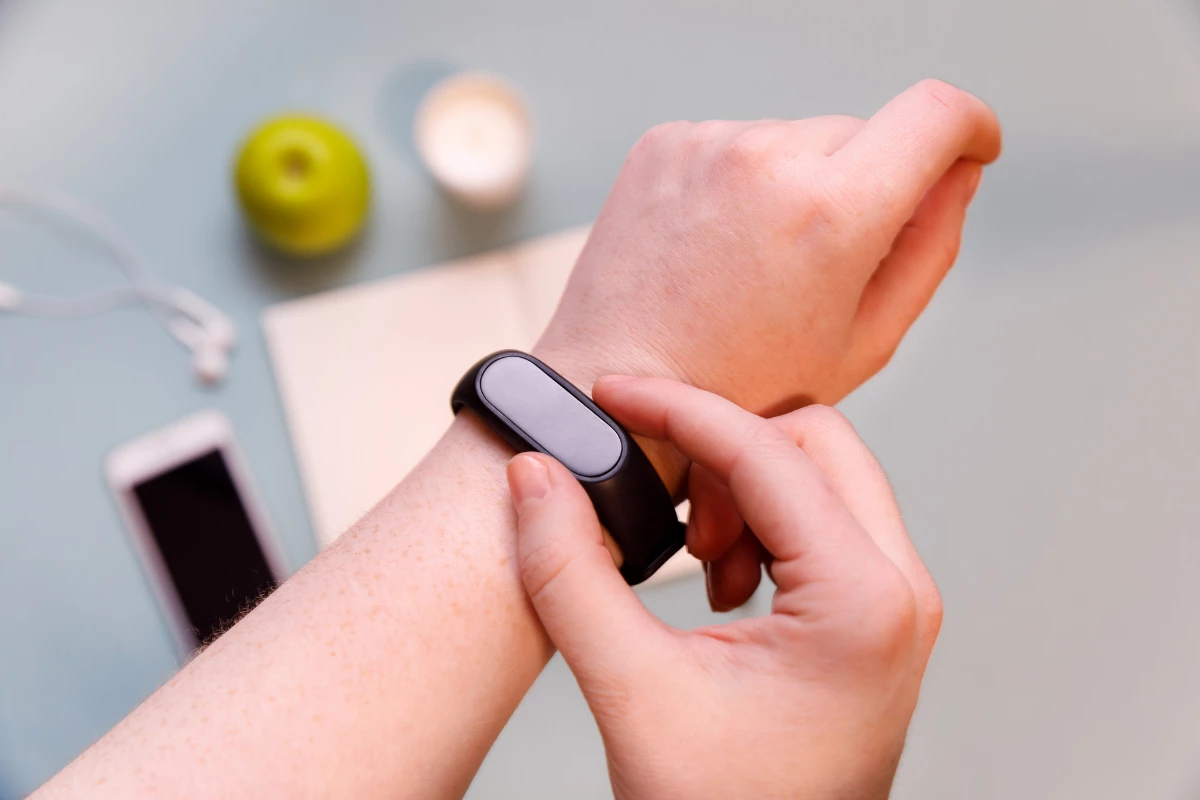
- Bio-monitoring and Personalized Medicine: This approach involves extensive tracking of biomarkers (blood tests, genetic data, microbiome analysis, continuous glucose monitoring), imaging (MRI, CT), and physiological data (wearable tech). The goal is to identify individual risk factors and tailor interventions precisely. The practical implications are high cost and access to specialized medical professionals. The trade-off is highly personalized care and proactive intervention versus the potential for over-diagnosis or anxiety from constant data monitoring.
- Environmental Modulators: This includes practices like regular cold exposure (cold showers, ice baths), heat exposure (saunas), and optimizing indoor air quality and light exposure. These are believed to activate beneficial stress responses (hormesis). The practical implications are relatively low cost once equipment is acquired, but require tolerance for discomfort. The trade-off is potential adaptation and resilience versus the immediate discomfort and need for consistency.
Day 92: Daily Longevity Protocols
The phrase “Day 92” highlights the daily, consistent effort required for any longevity protocol to be effective. Longevity isn’t achieved through a single intervention but through cumulative positive habits. A daily protocol typically integrates elements from the categories above.
For example, a “typical” day in a moderate longevity protocol might involve:
- Morning: Waking naturally (optimizing sleep), light exercise (e.g., brisk walk or short strength routine), a period of intermittent fasting (e.g., skipping breakfast or having a late one).
- Mid-day: A nutrient-dense meal, potentially some focused work or cognitive activity, and managing stress through short breaks or mindfulness.
- Afternoon/Evening: More substantial physical activity (e.g., gym workout, endurance training), a balanced dinner (often plant-heavy), and winding down with blue-light blocking glasses or avoiding screens to prepare for sleep.
- Throughout the day: Hydration, mindful eating, and potentially specific supplements.
The practical implications of such a daily routine are the need for strong self-discipline and the ability to integrate these practices into a busy life. It often requires planning meals, scheduling workouts, and prioritizing sleep. The trade-off is that while daily consistency is demanding, it’s also what drives adaptation and long-term health improvements. Adherence is often the biggest hurdle.
Towards Healthy Longevity: Comprehensive Insights from …
Comprehensive insights into healthy longevity emphasize an interconnected view of well-being, moving beyond isolated interventions. This perspective recognizes that physical health, mental health, emotional well-being, and social connections are all critical determinants of healthspan and lifespan.
This comprehensive view often draws from “Blue Zones” research, which identifies regions of the world where people live exceptionally long and healthy lives. Common factors in these zones include:
- Natural Movement: Regular, low-intensity physical activity integrated into daily life.
- Purpose (Ikigai/Plan de Vida): A reason to wake up in the morning.
- Downshift: Routines to shed stress.
- 80% Rule (Hara Hachi Bu): Eating until 80% full.
- Plant Slant: Diets heavy on beans, greens, and whole grains.
- Wine @ 5: Moderate alcohol consumption (though this is debated in modern longevity science).
- Belong: Belonging to a faith-based community.
- Loved Ones First: Prioritizing family.
- Right Tribe: Surrounding oneself with supportive social circles.
The practical implications are that while supplements and advanced diagnostics have their place, the fundamental pillars of longevity are often rooted in lifestyle, community, and mental outlook. The trade-off is that these elements are less “prescriptive” and harder to quantify than, say, a specific supplement dosage, but their impact is arguably more profound and sustainable. A comprehensive protocol integrates these broader lifestyle principles with targeted, evidence-based interventions.
Longevity Protocol: Tiered, Evidence-Based Guide
A tiered approach to a longevity protocol provides a structured way to build a routine, starting with foundational, high-impact interventions and progressively adding more advanced or personalized elements. This makes longevity more accessible and sustainable for a wider range of individuals.
Tier 1: Foundational (High Impact, Low Cost)
- Sleep Optimization: 7-9 hours of quality sleep per night, consistent sleep schedule, dark/cool/quiet bedroom.
- Movement: Regular physical activity (150+ minutes moderate cardio, 2-3 strength sessions per week).
- Whole Foods Diet: Emphasize fruits, vegetables, lean proteins, healthy fats; minimize ultra-processed foods, added sugars.
- Stress Management: Daily practices like meditation, deep breathing, spending time in nature.
- Social Connection: Nurturing relationships with family and friends.
Tier 2: Intermediate (Moderate Impact, Moderate Cost/Effort)
- Time-Restricted Eating: Daily fasting window (e.g., 12-16 hours).
- Targeted Nutrition: Incorporating specific longevity-promoting foods (e.g., cruciferous vegetables, berries, nuts).
- Basic Supplementation: Vitamin D, Omega-3s, and a high-quality multivitamin (if dietary gaps exist).
- Advanced Exercise: Incorporating HIIT, Zone 2 cardio, specific mobility work.
- Environmental Modulators: Regular sauna use or cold exposure.
Tier 3: Advanced (Potentially High Impact, Higher Cost/Effort)
- Personalized Biomarker Monitoring: Regular blood tests (CBC, metabolic panel, lipids, inflammatory markers, hormone levels), advanced lipid panels (apoB), continuous glucose monitoring.
- Genetic Testing: Understanding predispositions and optimizing interventions.
- Targeted Pharmaceutical/Novel Supplement Interventions: Under medical supervision, considering compounds like metformin (off-label), rapamycin (off-label), NAD+ precursors (NMN/NR), or senolytics, based on individual risk profiles and evolving evidence.
- Advanced Imaging: Full-body MRI, CT calcium scores, etc.
- Microbiome Analysis: Tailoring diet and probiotics based on gut health.
The practical implication of a tiered approach is that individuals can start at Tier 1, establish sustainable habits, and then gradually layer on components from higher tiers as their resources, interest, and evidence base evolve. The trade-off is balancing the desire for maximal impact with realistic adherence and financial considerations. Not everyone needs or can afford a Tier 3 protocol, and many foundational Tier 1 and 2 practices offer significant returns on investment for longevity.
Conclusion
The landscape of longevity protocols in 2026 is rich and varied, reflecting both growing scientific understanding and diverse personal philosophies. From the hyper-optimized, data-driven approach of Blueprint to the evidence-based medical framework of Attia, and the cellular pathway focus of Sinclair, common threads emerge: the critical roles of nutrition, exercise, sleep, and stress management. However, the intensity, cost, and reliance on specific interventions differ significantly.
For the curious reader seeking trustworthy information, the key takeaway is that there is no single “best” longevity routine, but rather a spectrum of approaches. The most effective protocol is likely one that is sustainable, adaptable to individual circumstances, and built upon a foundation of well-established health principles, while selectively integrating more advanced strategies as evidence matures and resources allow. Starting with foundational lifestyle changes (Tier 1) offers the highest return on investment for most people. As personal health goals evolve and resources permit, exploring elements from higher tiers, ideally with professional guidance, can further refine and personalize the journey towards a longer, healthier life.
FAQ
Q: Are these longevity protocols safe for everyone? A: No. Any significant changes to diet, exercise, or the introduction of supplements or medications should be discussed with a qualified healthcare professional, especially if you have pre-existing health conditions. Some protocols involve interventions that carry known risks or are not yet fully understood in humans.
Q: Do I need to spend a lot of money to pursue longevity? A: Not necessarily. Many of the most impactful longevity interventions, such as optimizing sleep, regular exercise, stress management, and eating a whole-foods-based diet, are low-cost or free. While some advanced protocols can be very expensive, significant healthspan improvements can be achieved through accessible lifestyle changes.
Q: How quickly can I expect to see results from a longevity protocol? A: Longevity is a long-term endeavor, and while some health markers (e.g., blood sugar, cholesterol) might improve relatively quickly, the ultimate goal of extending healthspan and lifespan unfolds over years and decades. Consistency is more important than rapid, short-term changes.
Q: What is the single most important thing I can do for longevity? A: There isn’t one “single most important thing,” as longevity is multifactorial. However, if forced to choose, consistent physical activity (a mix of strength and cardiovascular) and a nutrient-dense, whole-foods diet are arguably the most universally beneficial and evidence-backed foundational pillars.