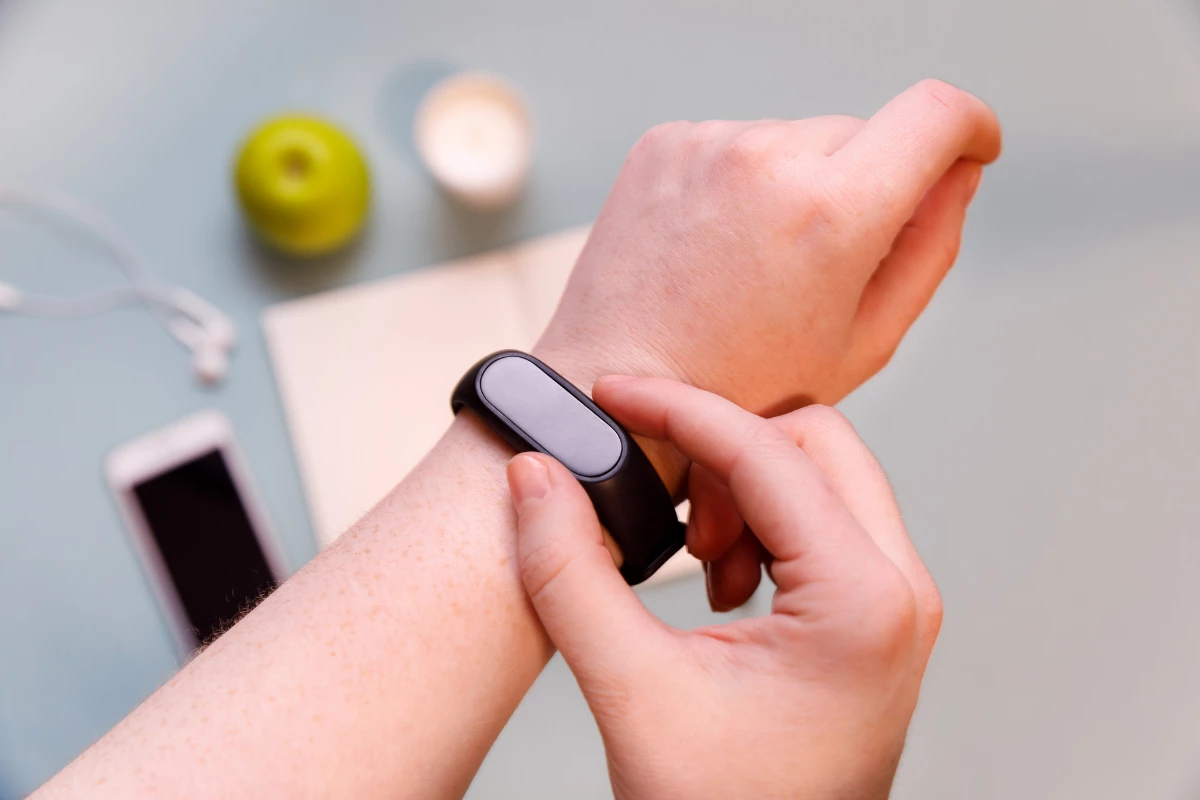

Using a Continuous Glucose Monitor (CGM) offers a direct window into how your body processes food and manages blood sugar. For individuals focused on longevity, understanding this metabolic response goes beyond diabetes management; it’s about optimizing healthspan and potentially mitigating age-related conditions. My own experience wearing a CGM provided insights into my metabolic flexibility—the body’s ability to efficiently switch between burning carbohydrates and fats for fuel—and how daily choices impact this crucial aspect of health.
What Longevity Experts Really Think About Using CGMs
Many longevity experts view CGMs as a valuable tool for proactive health management, not just reactive disease treatment. The core idea is that even in individuals without diagnosed diabetes, frequent and significant blood sugar fluctuations, especially post-meal spikes, can contribute to chronic inflammation, oxidative stress, and insulin resistance over time. These are all factors implicated in accelerated aging and age-related diseases.
For longevity, the focus shifts from simply avoiding hyperglycemia (high blood sugar) to maintaining stable glucose levels within an optimal range. This means minimizing sharp spikes and subsequent crashes. Experts like Dr. Peter Attia often discuss the importance of metabolic health for extending healthspan, and CGMs provide the real-time data needed to understand individual responses to diet, exercise, and stress.
The practical implication is personalized nutrition. What causes a significant glucose spike in one person might have a minimal effect on another, even with seemingly similar foods. A CGM allows for experimentation and direct feedback, helping to identify “trigger foods” or meal combinations that disrupt glucose stability. For instance, while a banana might be considered healthy, some individuals experience a substantial glucose surge after consuming one, particularly if eaten in isolation. Pairing it with protein and fat, like in a smoothie with nuts and seeds, often dampens this response. The trade-off is the cost and the minor inconvenience of wearing the device, but for those committed to optimizing their health, the data can be compelling.
Perceived Burdens and Benefits Associated With Continuous Glucose Monitoring
The decision to wear a CGM as a non-diabetic for longevity purposes involves weighing several perceived burdens against potential benefits. It’s not a universally adopted practice, but its popularity is growing among those keen on biohacking and preventive health.
Perceived Burdens
- Cost: CGMs are not typically covered by insurance for non-diabetic use, making them an out-of-pocket expense that can be significant over time.
- Physical Presence: While small, the sensor is attached to the skin, usually on the back of the arm or abdomen. Some users find it mildly uncomfortable, aesthetically unappealing, or occasionally dislodged.
- Data Overload and Interpretation: The constant stream of data can be overwhelming. Understanding what constitutes a “good” or “bad” reading for a non-diabetic, and translating that into actionable lifestyle changes, often requires education or guidance.
- Anxiety/Obsession: For some, the constant monitoring can lead to an unhealthy preoccupation with numbers, fostering anxiety around eating or exercise rather than empowering informed choices.
- Accuracy Concerns: While generally reliable, CGMs are not always perfectly accurate, and readings can sometimes differ from traditional blood glucose meters, especially during rapid changes.
Perceived Benefits
- Personalized Dietary Insights: This is arguably the biggest benefit. A CGM reveals how specific foods, meal timing, and portion sizes affect your unique physiology. This moves beyond generic dietary advice to highly individualized strategies.
- Enhanced Metabolic Awareness: It fosters a deeper understanding of metabolic processes and how daily habits—sleep, stress, exercise—interact with glucose regulation. For example, a poor night’s sleep can significantly impact morning glucose levels, a correlation often missed without continuous monitoring.
- Motivation for Lifestyle Changes: Seeing immediate, tangible data on blood sugar responses can be a powerful motivator to choose healthier foods, increase physical activity, or manage stress more effectively.
- Early Detection of Issues: While not a diagnostic tool for diabetes in non-diabetics, persistent patterns of high glucose spikes or elevated baseline levels could signal developing insulin resistance, prompting earlier intervention.
- Optimizing Exercise and Recovery: Understanding glucose trends before, during, and after exercise can help optimize fuel choices for performance and recovery.
My own experience highlighted both aspects. Initially, the constant stream of data was a bit much, and I found myself scrutinizing every meal. However, once I established a baseline and started experimenting purposefully, the benefits of personalized insight far outweighed the minor inconvenience of wearing the device. For example, I learned that while I tolerate moderate amounts of complex carbohydrates well, even a small serving of refined grains can send my glucose higher than anticipated.
Continuous Glucose Monitors (CGMs) for Type 2 Diabetes
It’s crucial to distinguish the primary use of CGMs from their emerging application in longevity. For individuals with type 2 diabetes, CGMs are a well-established and often life-changing medical device. Their purpose is primarily to:
- Manage Blood Glucose: Provide real-time data to help individuals with type 2 diabetes and their healthcare providers make informed decisions about medication, insulin dosing, diet, and activity.
- Prevent Hypoglycemia and Hyperglycemia: Alert users to dangerously low (hypoglycemia) or high (hyperglycemia) blood sugar levels, helping to prevent acute complications.
- Improve A1C: Studies consistently show that CGM use can lead to better glycemic control, reflected in lower A1C levels, a key indicator of average blood sugar over several months.
- Reduce Diabetes-Related Complications: By improving blood sugar management, CGMs contribute to reducing the long-term risk of complications associated with diabetes, such as neuropathy, retinopathy, and kidney disease.
For diabetics, CGMs are often prescribed and their data interpreted by healthcare professionals. The focus is on disease management and preventing adverse health events directly linked to their condition. This context differs significantly from the longevity application, where the goal is optimizing metabolic health in ostensibly healthy individuals.
Continuous Glucose Monitoring to Improve Health in Non-Diabetics
The application of CGMs in non-diabetics for general health improvement, and specifically for longevity, is an area of increasing research and interest. The rationale centers on the idea that even without a diabetes diagnosis, suboptimal glucose regulation can have long-term health consequences.
Key Applications for Non-Diabetics:
- Identifying “Pre-Prediabetes” or Early Insulin Resistance: Regular glucose spikes, even if they return to normal, can be an early indicator that the body is struggling with insulin sensitivity. A CGM can reveal these patterns before standard lab tests like fasting glucose or A1C might flag an issue.
- Optimizing Diet and Macronutrient Ratios: By seeing how different food combinations impact glucose, individuals can fine-tune their diet. For example, some find that adding protein and healthy fats to a carbohydrate-rich meal significantly blunts the glucose response.
- Understanding the Impact of Lifestyle Factors: CGMs highlight how sleep deprivation, stress, and even the timing of meals can affect glucose. A late-night meal, for instance, might cause a higher and more prolonged glucose elevation than the same meal eaten earlier in the day.
- Enhancing Exercise Benefits: Monitoring glucose around workouts can inform pre- and post-exercise fueling strategies. Some find that certain types of exercise (e.g., high-intensity interval training) can temporarily elevate glucose, while others (e.g., steady-state cardio) help stabilize it.
- Promoting Metabolic Flexibility: The ultimate goal for longevity is often to improve metabolic flexibility. A CGM helps identify patterns where the body might be overly reliant on carbohydrates. By making dietary adjustments and incorporating exercise, one can observe improvements in fasting glucose, reduced post-meal spikes, and a quicker return to baseline, all indicators of better metabolic flexibility.
My own journey revealed that my metabolic flexibility wasn’t as robust as I’d assumed. While my fasting glucose was always within a healthy range, certain meals consistently produced higher and more prolonged spikes than I expected for someone active and eating a generally “healthy” diet. This data prompted me to adjust portion sizes of certain carbohydrates and prioritize protein and fiber at every meal, leading to noticeably flatter glucose curves.
Should “Healthy People” Wear Continuous Glucose Monitors?
This is the central question for many considering CGMs for longevity. There’s no single “yes” or “no” answer, as it depends on individual goals, resources, and temperament.
Arguments For:
- Proactive Health Management: For those committed to understanding and optimizing their health without waiting for disease symptoms, CGMs offer unparalleled insight into metabolic function.
- Personalized Data: Generic health advice often falls short because individual responses vary. A CGM provides data specific to your body.
- Empowerment: The data can be incredibly empowering, allowing individuals to make informed choices that directly impact their well-being.
- Early Warning System: For individuals with a family history of diabetes or metabolic dysfunction, it can be an early warning system, enabling preventative action.
Arguments Against:
- Cost: As mentioned, the out-of-pocket expense can be a barrier.
- Potential for Obsession: For some, the constant data can lead to an unhealthy fixation on numbers, detracting from a balanced relationship with food and exercise.
- Not a Diagnostic Tool: It’s important to remember that CGMs for non-diabetics are not diagnostic tools for medical conditions. Any concerning patterns should be discussed with a healthcare professional.
- Misinterpretation of Data: Without proper guidance, individuals might misinterpret their glucose data, leading to unnecessary dietary restrictions or anxiety.
Decision Table: Should a “Healthy Person” Wear a CGM?
| Factor | Consider Wearing a CGM | Probably Not Necessary |
|---|---|---|
| Health Goal | Optimizing healthspan, metabolic flexibility, personalized nutrition, proactive prevention | General wellness, basic healthy eating, no specific metabolic concerns |
| Budget | Willing and able to pay out-of-pocket | Cost is a significant deterrent |
| Temperament | Curious, data-driven, seeks actionable insights, not prone to health anxiety | Prone to anxiety, easily overwhelmed by data, prefers broad guidelines |
| Current Health | Generally healthy, but perhaps wants to fine-tune diet/lifestyle | No known metabolic issues, content with current health approach |
| Support System | Access to resources for data interpretation (e.g., health coach, informed online communities) | Prefers to manage health independently without deep dive into data |
My conclusion is that CGMs are a powerful tool for some healthy individuals. For those who are curious, motivated, and can afford it, the insights gained can be transformative. It’s not a magic bullet, but a data point to inform and guide healthier habits.
David A. Sinclair’s Perspective on Longevity and Glucose
David A. Sinclair, a prominent figure in longevity research, often emphasizes the importance of metabolic health in extending healthspan. While he doesn’t explicitly advocate for everyone to wear a CGM, his work aligns with the principles that make CGM data valuable for longevity.
Sinclair’s research, particularly on sirtuins and other pathways related to aging, highlights the role of cellular metabolism and nutrient sensing. He often discusses the benefits of practices like intermittent fasting, time-restricted eating, and diets that promote metabolic flexibility. The underlying mechanism for many of these interventions is their impact on glucose regulation and insulin sensitivity.
From Sinclair’s broader perspective, understanding how your body responds to food is critical for activating longevity pathways. High and prolonged glucose spikes, and the subsequent insulin surges, can contribute to chronic inflammation and cellular stress, which are detrimental to healthy aging. Therefore, a CGM, by providing real-time feedback on these responses, serves as a practical tool to implement and optimize strategies derived from longevity research.
For instance, if Sinclair advocates for time-restricted eating to improve insulin sensitivity, a CGM can help an individual determine the optimal eating window that minimizes glucose excursions and maximizes periods of lower insulin. If a particular diet is suggested to activate sirtuins, a CGM can objectively show whether that diet is indeed promoting stable glucose levels, a key indicator of metabolic efficiency. In essence, while not a direct recommendation for CGM use, Sinclair’s emphasis on metabolic health provides the scientific framework that makes CGM data relevant for longevity seekers.
Conclusion
My experience wearing a CGM for longevity was an enlightening journey into my own metabolic landscape. It moved me beyond generalized dietary advice to a highly personalized understanding of how my body processes food, responds to stress, and benefits from exercise. I learned that even with a “healthy” diet, certain food combinations or lifestyle factors could trigger unexpected glucose responses, indicating areas where my metabolic flexibility could be improved.
For the curious and proactive individual seeking to optimize their healthspan, a CGM offers invaluable, actionable data. It’s not about achieving perfect numbers, but about understanding patterns and making informed adjustments that support stable glucose and insulin levels over time. This foundational metabolic health is a cornerstone of longevity, potentially reducing the risk of chronic diseases and supporting a longer, healthier life. While not a universal necessity, for those willing to invest the time and resources, a CGM can be a powerful tool in the pursuit of enhanced metabolic flexibility and a robust healthspan.