
Many of us are curious about extending our healthy lifespan. While large-scale scientific studies provide broad insights, they don’t always translate directly to individual experience. This is where “N of 1” personal longevity experiments come in. An N of 1 trial is essentially a self-experiment, where an individual meticulously tracks interventions and outcomes on themselves. It’s about becoming your own laboratory, testing specific longevity protocols to see what genuinely works for your unique physiology and lifestyle. This article explores my journey in this personal longevity lab, detailing various protocols I’ve tested, the methods used, and the insights gained, offering a practical perspective on what it means to be a citizen scientist in the realm of aging.
Are You Aging Well? Try These Simple Tests to Find Out.
Before diving into complex protocols, understanding your baseline health is crucial. For personal longevity experiments, this means regularly assessing key markers that reflect physiological age, not just chronological age. These aren’t just one-off checks; they’re repeated measurements that form a personal dataset.
One of the simplest yet most informative tests is the grip strength test. Using a hand dynamometer, I track my maximum grip strength in both hands. A decline over time, independent of injury, can indicate a loss of overall muscle mass and strength, which is a known predictor of all-cause mortality. My protocol involves three measurements per hand, three times a week, averaged for consistency.
Another accessible test is the standing balance test. I time how long I can stand on one leg with eyes open, then with eyes closed. This assesses proprioception and neurological function. A significant drop in balance can be an early indicator of cognitive or neurological decline. I perform this weekly, recording the best of three attempts for each leg and eye condition.
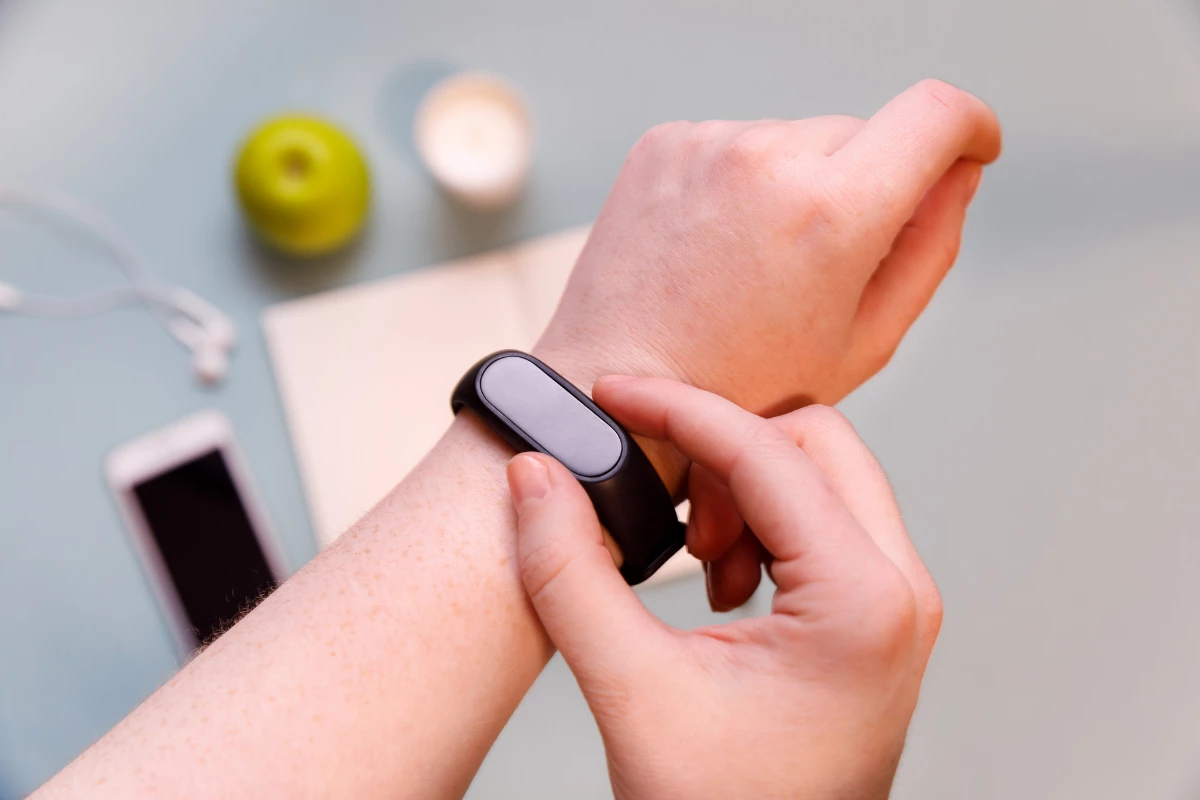
For cardiovascular health, the resting heart rate (RHR) and heart rate variability (HRV) are invaluable. I use a wearable device to track these metrics daily. A consistently low RHR and higher HRV generally correlate with better cardiovascular fitness and stress resilience. Fluctuations outside my established personal range often signal stress, inadequate recovery, or the onset of illness.
Practical Implications and Trade-offs:
- Accessibility vs. Precision: While these tests are simple, consistency is key. Using the same equipment and methodology each time is more important than having the absolute most precise lab-grade tools. My hand dynamometer is consumer-grade, but it provides reproducible measurements for my N of 1 tracking.
- Time Commitment: Integrating these tests into a routine requires discipline. I’ve found that scheduling them, much like an exercise session, helps maintain adherence.
- Interpretation: A single data point is rarely meaningful. Trends over weeks and months are what provide insight. A dip in grip strength after an intense workout, for example, is different from a sustained decline over several weeks.
Edge Cases:
- Injury or Illness: Acute conditions will skew results. It’s important to note these in your log and understand that data collected during these periods might not be representative of your baseline.
- Medication Changes: New prescriptions or changes in dosage can impact physiological markers. Again, thorough logging is essential for accurate interpretation.
These simple, repeatable self-assessments form the foundation of my personal longevity lab, providing objective data points against which to measure the impact of more complex interventions.
What Science Says About Longevity and How to Add Years… for personal longevity experiments
The scientific literature on longevity is vast, pointing towards several key pillars: nutrition, exercise, sleep, stress management, and social connection. For my personal experiments, I translate these broad scientific recommendations into specific, measurable protocols.
Nutrition: The current scientific consensus often leans towards whole, unprocessed foods, with variations like the Mediterranean diet or plant-forward approaches showing benefits. My personal experiment here involved a cyclical ketogenic diet with intermittent fasting (16:8 protocol).
- Protocol: For 12 weeks, I adhered strictly to a ketogenic diet (under 50g net carbs/day) for 5 days, followed by 2 “refeed” days with moderate carbs (under 150g). Intermittent fasting was maintained daily.
- Tracking: I monitored blood glucose and ketone levels daily using a glucometer/ketone meter. I also tracked weight, body composition (via smart scale), energy levels, and cognitive function (subjective rating and occasional online cognitive tests).
- Outcomes: My blood ketone levels consistently stayed in a nutritional ketosis range (0.5-3.0 mmol/L) on keto days. Weight stabilized, and body fat decreased by 2%. Subjectively, I experienced sustained energy and improved mental clarity during the keto phases. However, the refeed days often led to temporary lethargy and increased hunger, suggesting a potential insulin spike.
Exercise: Research strongly supports a combination of cardiovascular training, strength training, and flexibility for healthy aging.
- Protocol: I adopted a structured routine: 3 days/week strength training (full body, compound movements), 2 days/week high-intensity interval training (HIIT) on a stationary bike, and 2 days/week low-intensity steady-state cardio (walking/hiking).
- Tracking: I used a fitness tracker to monitor heart rate zones, workout duration, and calories burned. Strength training progression (weight lifted, reps) was logged manually. My grip strength and balance tests served as objective measures of physical capacity.
- Outcomes: Across a 6-month period, my RHR decreased by 5 bpm, and HRV showed a slight improvement. Grip strength increased by 7% on average. Subjectively, I felt stronger and had greater endurance. The main challenge was consistency, especially with HIIT, which required significant mental effort.
Sleep: The importance of adequate, quality sleep for cellular repair, hormone regulation, and cognitive function is undisputed.
- Protocol: I aimed for 7.5-8 hours of sleep nightly, with a consistent bedtime and wake-up time, even on weekends. My “wind-down” routine included dimming lights, avoiding screens for an hour before bed, and reading.
- Tracking: A wearable device tracked sleep stages (REM, deep, light), duration, and disturbances. I also kept a subjective sleep journal noting ease of falling asleep and morning alertness.
- Outcomes: My average sleep duration increased from 6.5 hours to 7.8 hours. Deep sleep percentage improved from 15% to 22%. Subjectively, I reported feeling more rested and focused. The biggest trade-off was social flexibility, as adhering to a strict sleep schedule sometimes meant declining late-night engagements.
Trade-offs and Edge Cases:
- Rigidity vs. Flexibility: Strict protocols yield clearer data, but life happens. I learned to build in flexibility (e.g., occasional “off” days) to prevent burnout, acknowledging that these deviations might slightly impact the data.
- Individual Response: What works for one person might not work for another. My experience with cyclical keto, for instance, isn’t universal. Some thrive on it, others find it unsustainable or experience negative side effects.
- Cost: Some tracking tools (e.g., continuous glucose monitors, advanced wearables) can be expensive, creating a barrier to entry for some.
By breaking down scientific recommendations into actionable, trackable components, I’ve been able to gather personal data on their effects, moving beyond theoretical benefits to observed individual outcomes.
Human Longevity Lab - Feinberg School of Medicine for personal longevity experiments
While I don’t have access to a university-level longevity lab, I emulate their systematic approach within my personal N of 1 framework. The core principle of these labs is comprehensive, multi-modal assessment. For my personal longevity experiments, this means integrating various data streams to create a holistic picture.
Emulating a Multi-Modal Approach:
- Biometric Data: Beyond the simple tests, I periodically get comprehensive blood panels. These include standard lipid profiles, blood glucose, inflammatory markers (e.g., hs-CRP), vitamin D levels, and hormone panels (e.g., testosterone, thyroid hormones). These provide objective snapshots of internal physiological status.
- Genomic Insights (Limited): While not a full genomic sequencing, I’ve utilized consumer genetic testing services to understand predispositions for certain health conditions or metabolic traits (e.g., caffeine metabolism, lactose intolerance). This isn’t about predicting destiny but informing personalized protocol adjustments. For instance, knowing a predisposition for slower caffeine metabolism led me to reduce my afternoon coffee intake.
- Advanced Body Composition: While a smart scale is good for daily tracking, I occasionally get a DEXA scan (Dual-energy X-ray absorptiometry). This provides a more accurate breakdown of bone mineral density, lean muscle mass, and fat mass, offering a clearer picture of body composition changes over time that simple scales might miss.
- Cognitive Assessment: Beyond subjective feelings, I use online cognitive assessment tools (e.g., reaction time tests, memory recall exercises) at regular intervals (e.g., quarterly). This helps track cognitive performance objectively and identify potential declines or improvements linked to specific interventions.
Practical Implications and Trade-offs:
- Cost and Accessibility: Comprehensive blood panels, DEXA scans, and advanced genetic tests involve significant financial investment and require access to healthcare providers or specialized clinics. This is a major trade-off for the depth of data.
- Data Overload and Interpretation: Collecting a vast amount of data is one thing; interpreting it is another. I consult with a functional medicine practitioner or a well-informed general practitioner to help make sense of complex bloodwork and genetic reports. Without expert guidance, raw data can lead to misinterpretations or unwarranted anxiety.
- Privacy Concerns: Sharing genetic data or detailed health information with consumer services or even some healthcare platforms raises privacy considerations. It’s crucial to be aware of how data is stored and used.
Edge Cases:
- Baseline Variation: Establishing a truly stable baseline for advanced markers can take time. Stress, minor illnesses, or even recent diet changes can temporarily skew results.
- Actionability of Data: Some data, like certain genetic predispositions, might not have immediate, clear actionable steps. It informs a long-term strategy rather than a short-term intervention.
By piecing together these various data points, my personal longevity experiments move closer to the multi-faceted approach of professional research labs, even if on a smaller, individual scale. It’s about building a comprehensive understanding of my biological aging process.
Longevity Research You Can Use Today for personal longevity experiments
The exciting aspect of longevity research is that much of it points to actionable strategies that don’t require cutting-edge technology or expensive interventions. My N of 1 lab focuses on integrating these accessible, evidence-backed principles into daily life.
One prominent area is heat and cold exposure. Research suggests benefits from sauna use (heat shock proteins, cardiovascular health) and cold plunges (reduced inflammation, improved mood, metabolic boost).
- Protocol (Sauna): 3-4 times per week, 20 minutes at 180-190°F (82-88°C), followed by a cool shower.
- Protocol (Cold Plunge): 3-5 times per week, 2-3 minutes at 40-50°F (4-10°C) after exercise or sauna.
- Tracking: Subjective well-being (mood, energy), muscle recovery (soreness rating), and RHR/HRV post-exposure.
- Outcomes: Subjectively, I experienced significant improvements in perceived recovery from workouts and a notable boost in mood and alertness after cold plunges. My HRV showed slight positive trends on days with cold exposure. The trade-off was the time commitment and the initial discomfort of cold immersion, which took several weeks to acclimate to.
Another area is mindfulness and stress reduction. Chronic stress is a known accelerant of aging. Techniques like meditation, deep breathing, and spending time in nature are increasingly supported by longevity research.
- Protocol: Daily 10-15 minute guided meditation using an app, and weekly “nature walks” (uninterrupted time outdoors).
- Tracking: Subjective stress levels (on a 1-10 scale), sleep quality, and HRV.
- Outcomes: My average subjective stress rating decreased by 2 points over 3 months. Sleep quality improved, and my HRV showed greater stability. The challenge was consistency, especially on busy days, when meditation was often the first thing to be skipped.
Comparison Table: Accessible Longevity Protocols
| Protocol Category | Example Interventions | Primary Mechanisms | Personal Outcomes (N=1) | Trade-offs / Challenges |
|---|---|---|---|---|
| Thermic Stress | Sauna, Cold Plunge | HSPs, inflammation, circulation, mood | Improved recovery, mood, slight HRV boost | Time, initial discomfort |
| Stress Reduction | Meditation, Nature | Cortisol reduction, parasympathetic activation | Reduced subjective stress, better sleep | Consistency, mental discipline |
| Movement Snacks | Short walks, stretches | Blood flow, metabolic flexibility | Reduced sedentary time, increased energy | Requires conscious breaks |
| Gut Health | Probiotics, fermented foods | Microbiome diversity, nutrient absorption | Improved digestion, reduced bloating | Cost of supplements, dietary restrictions |
A more grounded way to view thisations and Trade-offs:**
- Cumulative Effect: These protocols often don’t show dramatic, immediate changes in objective biomarkers. Their power lies in their cumulative, long-term impact on overall health and resilience.
- Behavioral Change: The biggest hurdle is integrating these practices consistently into a busy life. It requires habit formation and prioritization.
- Cost-Effectiveness: Many of these interventions are low-cost or free (e.g., walking, meditation apps), making them highly accessible.
A more grounded way to view this
- Individual Sensitivity: Some individuals might be more sensitive to heat or cold, requiring gradual acclimatization or medical consultation.
- Underlying Conditions: Individuals with certain cardiovascular conditions should consult a doctor before engaging in extreme temperature therapies.
By systematically incorporating these research-backed, yet simple, protocols, my personal longevity experiments demonstrate that meaningful progress can be made without needing a sophisticated lab.
The pursuit of understanding human longevity | npj Aging for personal longevity experiments
The academic pursuit of longevity, as exemplified by journals like npj Aging, delves into complex cellular and molecular mechanisms of aging. While I can’t directly manipulate genetic pathways in my home lab, I can focus on lifestyle interventions that are believed to influence these fundamental processes. For my personal longevity experiments, this means targeting pathways like autophagy, mTOR, and sirtuins through diet and exercise.
Autophagy (Cellular Housekeeping): This process involves the body clearing out damaged cells and regenerating newer, healthier ones. Intermittent fasting and certain types of exercise are thought to upregulate autophagy.
- Protocol: My intermittent fasting regimen (16:8 daily) and occasional 24-hour fasts (once every 2-3 weeks) are primarily aimed at stimulating autophagy.
- Tracking: While I can’t directly measure autophagy at home, I track proxy markers: energy levels, skin quality, and recovery time from exercise.
- Outcomes: Subjectively, my skin felt clearer, and I experienced fewer minor aches and pains, which I attributed in part to better cellular repair. The 24-hour fasts were challenging initially, leading to mild headaches and irritability, but these subsided with practice.
mTOR Pathway (Growth and Anabolism): The mammalian target of rapamycin (mTOR) pathway is crucial for cell growth and proliferation. While essential, chronic overactivation is linked to accelerated aging. Dietary restriction, particularly protein restriction, and certain forms of exercise can modulate mTOR.
- Protocol: My cyclical ketogenic diet with its controlled protein intake (typically 0.8-1.0g per kg body weight) and occasional fasting periods were designed to periodically downregulate mTOR activity.
- Tracking: Muscle mass (DEXA, smart scale), strength (grip test, lifting metrics), and overall recovery.
- Outcomes: I maintained muscle mass during the protein-controlled phases, and my strength continued to improve, suggesting that moderate protein intake combined with resistance training was sufficient for anabolism without likely over-activating mTOR. The main trade-off was meticulous tracking of protein intake, which required consistent food logging.
Sirtuins (Longevity Proteins): These proteins play a role in DNA repair, metabolism, and inflammation. Caloric restriction, resveratrol, and NMN/NR are often discussed in the context of sirtuin activation.
- Protocol: While I didn’t engage in extreme caloric restriction, my overall healthy diet and fasting periods aimed to create a mild metabolic stressor that might activate sirtuins. I also experimented with a low dose of NMN (Nicotinamide Mononucleotide) for a 3-month period.
- Tracking: Energy levels, skin elasticity (subjective), and general well-being.
- Outcomes (NMN): During the NMN trial, I noticed a slight, but not dramatic, increase in sustained energy throughout the day. It was difficult to isolate this effect from other interventions, and the cost of the supplement was a significant factor. After stopping, I didn’t observe a marked decline, suggesting the effect might have been subtle or transient.
A more grounded way to view thisations and Trade-offs:**
- Indirect Measurement: The biggest challenge in personal experiments targeting these pathways is the inability to directly measure their activity at home. We rely on proxy markers and subjective reports, which are less definitive than lab assays.
- Interactions and Complexity: These pathways are interconnected and influenced by numerous factors. Isolating the effect of one intervention is nearly impossible in a real-world setting.
- Ethical Considerations: Experimenting with supplements that claim to modulate these pathways (like NMN) comes with the caveat that long-term human data is often limited. It’s an area where personal caution and thorough research are paramount.
A more grounded way to view this
- Over-optimization: Focusing too intensely on one pathway without considering the whole system can be counterproductive. For instance, extreme caloric restriction can lead to nutrient deficiencies.
- Placebo Effect: Subjective improvements in energy or well-being can be influenced by the placebo effect, making it harder to discern true physiological changes.
My N of 1 approach to these complex biological pathways is about applying the principles derived from research, rather than attempting to replicate laboratory conditions. It’s about making informed choices based on the best available science, while remaining mindful of the limitations of personal experimentation.
Good genes are nice, but joy is better for personal longevity experiments
While genetics play a role in longevity, emerging research, and anecdotal evidence strongly suggest that lifestyle, environment, and psychological well-being are arguably more significant. For my personal longevity experiments, this means actively incorporating protocols focused on mental health, social connection, and purpose.
Social Connection and Community: Loneliness is a known health risk factor. Strong social ties correlate with longer, healthier lives.
- Protocol: I actively scheduled regular social engagements – weekly dinner with friends, volunteering in my community once a month, and maintaining regular video calls with distant family.
- Tracking: Subjective feelings of connection, mood, and overall life satisfaction (rated weekly).
- Outcomes: This was perhaps the most impactful protocol. My mood and satisfaction ratings consistently improved. I experienced less stress and greater resilience during challenging times. The trade-off was the time commitment, which sometimes competed with other personal goals.
Purpose and Meaning: Having a sense of purpose is linked to better health outcomes and increased longevity.
- Protocol: I dedicated specific time each week to a passion project (writing this article, for example) that aligned with my values and provided a sense of accomplishment. I also reflected regularly on my long-term goals and how my daily actions contributed to them.
- Tracking: Sense of fulfillment, motivation levels, and overall outlook on the future.
- Outcomes: Engaging in meaningful work significantly reduced feelings of stagnation and increased my motivation across all other longevity protocols. It provided a framework for why I was pursuing these experiments in the first place.
**Stress Management