
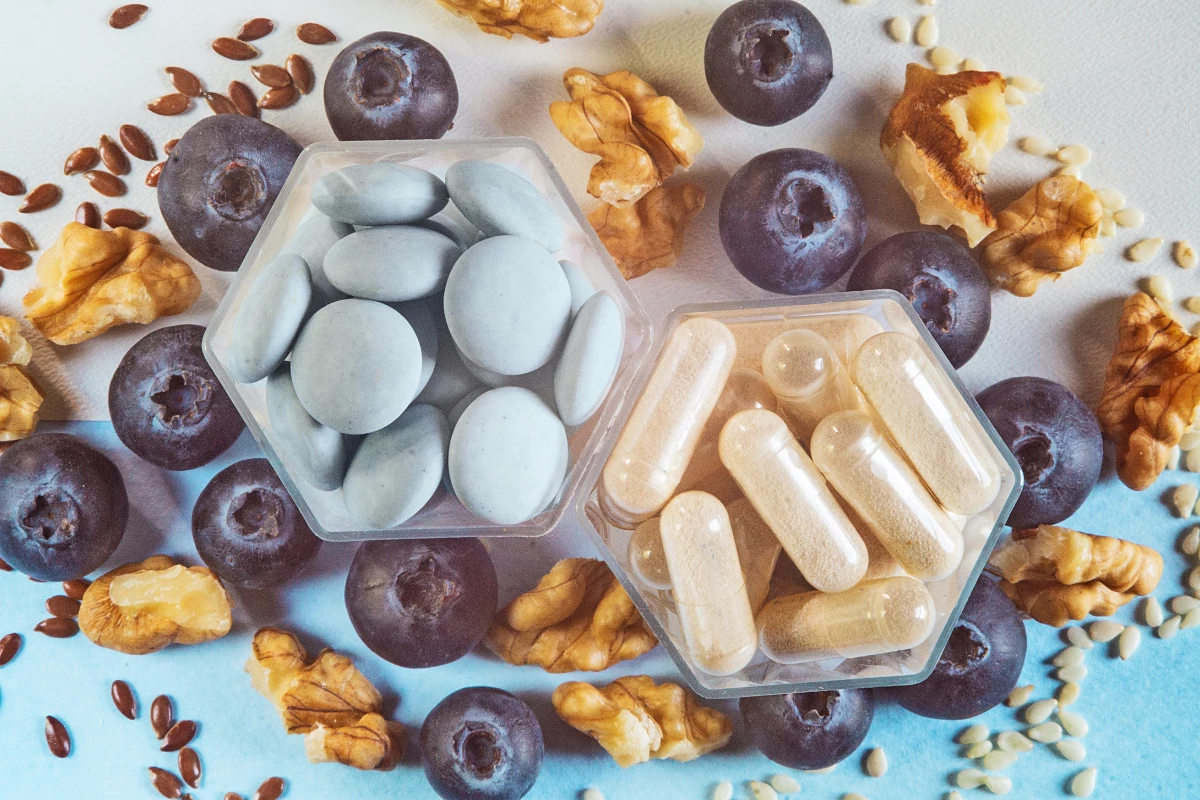
The concept of a “fasting mimicking diet” (FMD) might sound contradictory: how can you fast if you’re eating? This was precisely my initial thought when I first encountered Dr. Valter Longo’s work and, specifically, the ProLon program. My interest wasn’t rooted in a desire for rapid weight loss, but rather a deeper curiosity about the potential cellular and longevity benefits often associated with prolonged fasting, without the complete deprivation that can make traditional water fasts challenging or unsafe for many. This article details my personal valter longo fasting mimicking diet experience, offering a straightforward account of what I encountered and what I learned.
Why I Tried the ProLon Fasting Mimicking Diet
My motivation to try ProLon stemmed from a growing awareness of the research surrounding cellular autophagy and its role in cellular repair and renewal. Dr. Valter Longo, a prominent figure in the field of gerontology and biological sciences, has dedicated extensive research to understanding the mechanisms of aging and how dietary interventions, particularly fasting, can influence these processes. His work at the Longevity Institute at the University of Southern California has popularized the idea that periods of reduced calorie intake can trigger beneficial cellular pathways typically activated during water-only fasting.
The core idea behind the Fasting Mimicking Diet is to provide a specific, plant-based, low-calorie, low-protein, and low-sugar diet for five consecutive days. This carefully calibrated nutritional profile is designed to “trick” the body into believing it’s undergoing a complete fast, thereby initiating the cellular repair processes, including autophagy, without the common drawbacks of water-only fasting such as extreme hunger, fatigue, or potential nutrient deficiencies. The convenience of a pre-packaged program like ProLon, which delivers all the necessary food and supplements for the five days, was a practical draw. It removed the guesswork of preparing FMD-compliant meals, which can be complex given the precise macronutrient ratios required. For someone with a busy schedule, this structured approach presented a feasible way to explore the potential benefits of an FMD without significant lifestyle disruption beyond the five-day period itself.
Fasting-Mimicking Diet Reduces Biological Age
The claim that a fasting-mimicking diet can reduce biological age is a significant driver for many people considering ProLon, including myself. Biological age, distinct from chronological age, refers to the physiological state of one’s body, often assessed through various biomarkers. Scientific studies, some conducted by Dr. Longo’s team, suggest that periodic FMD cycles can lead to improvements in these markers. For instance, research has indicated positive effects on insulin-like growth factor 1 (IGF-1), glucose levels, and C-reactive protein (CRP), all of which are associated with aging and age-related diseases.
From a practical standpoint, the idea of “reducing biological age” isn’t about suddenly looking or feeling twenty years younger overnight. Instead, it’s about optimizing cellular function and potentially slowing down the cellular aging process over time. The FMD aims to achieve this by promoting cellular autophagy – a process where cells clean out damaged components and regenerate newer, healthier ones – and stem cell regeneration.
My expectation wasn’t a dramatic transformation within a single five-day cycle, but rather to initiate these beneficial processes and observe any subtle changes in energy, mental clarity, or general well-being. The trade-off here is the short-term caloric restriction for potential long-term cellular health benefits. It’s a proactive approach to health rather than a reactive one, focusing on cellular maintenance and resilience. The concept is compelling for anyone interested in proactive health management, even if the immediate, visible effects are not as pronounced as the underlying cellular shifts.
He wants to sell you a $300 ‘fasting diet.’ It might not be crazy
The cost of the ProLon program, typically around $200-$300 per five-day cycle, is a common point of discussion. This price tag raises legitimate questions about its value proposition and whether such an investment is truly justified for a “fasting diet.” It’s easy to dismiss it as an expensive gimmick. However, understanding the context of the valter longo fasting mimicking diet experience can help clarify why this cost might not be as “crazy” as it first appears.
The cost isn’t just for five days of food. It encompasses the extensive research and development by Dr. Longo’s team at the University of Southern California to formulate a precise macronutrient profile that reliably triggers the “fasting state” in the body without full caloric deprivation. This involves specific ratios of carbohydrates, fats, and proteins, all derived from plant-based ingredients, designed to keep insulin and IGF-1 levels low while providing essential micronutrients. The pre-packaged nature also adds convenience, eliminating the need for meticulous meal planning and preparation, which can be a significant barrier for many attempting similar protocols independently.
Consider the practical implications: preparing an equivalent FMD-compliant diet from scratch would require significant time for research, ingredient sourcing, and meal prep, not to mention the challenge of ensuring the exact nutritional ratios. For individuals with busy lives, or those who prefer a structured approach backed by specific research, the convenience and precision offered by ProLon can justify the expense. It’s a trade-off between financial investment and the assurance of following a scientifically formulated protocol with minimal effort. While not everyone will find this value proposition compelling, for those seeking a specific, researched approach to cellular health, the cost reflects the product’s development and convenience.
My Experience with ProLon: A Fasting-Mimicking Diet for…
My personal valter longo fasting mimicking diet experience with ProLon involved a planned five-day cycle. The program arrived as a compact box, neatly organized with individual daily packages. Each day contained a variety of items: nut bars, soups, herbal teas, olives, L-drink (a glycerol-based drink), and a few supplements. The instructions were clear, outlining what to eat and when, along with recommendations for hydration.
The first day felt relatively easy. The novelty of the program and the anticipation of potential benefits carried me through. Hunger was manageable, and the provided food, while portioned carefully, was generally palatable. The soups, in particular, were surprisingly flavorful, though I quickly learned to appreciate the smaller, more frequent “meals.”
Day two and three were the most challenging. This is where the “mimicking” aspect of the fast truly began to manifest. Fatigue became more noticeable, and a persistent, low-grade headache set in, which I attributed to caffeine withdrawal (the program recommends avoiding caffeine). Hunger pangs were more pronounced, particularly in the evenings. This period required significant mental discipline. I found myself frequently checking the clock for the next allotted food item. The “L-drink,” a glycerol mixture designed to provide energy without breaking the fasting state, became a welcome, albeit slightly sweet, intervention.
By day four, a shift occurred. The intense hunger subsided, and a sense of mental clarity began to emerge. The fatigue lessened, and I felt a surprisingly steady energy level. My focus improved, and I experienced a noticeable reduction in the usual afternoon brain fog. This sustained feeling of alertness continued into day five. The last day felt like a victory lap, knowing I had navigated the most difficult phases.
Throughout the five days, I maintained a strict adherence to the program, avoiding any outside food or drinks other than water. I also made an effort to reduce my physical activity to conserve energy, as recommended. Post-fast, I gradually reintroduced solid foods, following ProLon’s guidance for a “transition day.” The immediate results included a loss of approximately 5 pounds, which I attributed primarily to water weight and reduced glycogen stores. More importantly, I felt a renewed sense of energy and a heightened awareness of my body’s signals, particularly regarding hunger and satiety. My sleep quality also seemed to improve in the days following the fast.
Episode #6 Intermittent Fasting with Dr. Valter Longo
While my experience was with the specific, five-day Fasting Mimicking Diet protocol, it’s important to differentiate it from general intermittent fasting (IF). Dr. Valter Longo’s work, frequently discussed in interviews and podcasts like the hypothetical “Episode #6,” often touches upon the broader spectrum of fasting but emphasizes the distinct mechanisms and benefits of prolonged, periodic fasting mimicking.
Intermittent fasting typically involves daily or near-daily cycles of eating and fasting, such as the 16/8 method (16 hours fasting, 8 hours eating) or alternate-day fasting. These methods primarily focus on metabolic switching, encouraging the body to burn fat for fuel. While beneficial for metabolic health and weight management, their effect on cellular autophagy and stem cell regeneration is generally considered less profound or sustained than that of a multi-day FMD.
The key distinction Dr. Longo often highlights is that the FMD is designed to trigger a deeper cellular reset, akin to a longer water fast, but with nutritional support. It’s not meant to be done weekly or even monthly by most healthy individuals. The recommendation is typically 2-4 cycles per year, depending on individual health goals and consultation with a healthcare provider. This periodic, rather than daily, approach aims to provide a robust signal for cellular repair and rejuvenation, going beyond the daily metabolic shifts of typical IF.
For someone considering a valter longo fasting mimicking diet experience, understanding this difference is crucial. ProLon is not intended as a regular dietary pattern but as a periodic intervention. While both IF and FMD can contribute to health, they operate on different scales and target different physiological responses. My experience reinforced this understanding; the FMD felt like a distinct, more intense cellular “tune-up” compared to the lighter metabolic adjustments I’ve experienced with shorter, daily fasting windows.
The Fasting-Mimicking Diet: Impacts on Aging and Chronic…
The scientific literature surrounding the Fasting-Mimicking Diet, particularly from Dr. Longo’s lab, often explores its potential impacts on aging and chronic disease risk factors. This is where the long-term potential of the valter longo fasting mimicking diet experience truly lies, extending beyond immediate weight loss or temporary mental clarity.
Research suggests that periodic FMD cycles may contribute to:
- Cellular Autophagy and Renewal: As mentioned, this is a central mechanism. By promoting the removal of damaged cellular components and the regeneration of new ones, FMD aims to improve cellular efficiency and resilience.
- Reduced Inflammation: Markers of systemic inflammation, such as C-reactive protein (CRP), have been observed to decrease after FMD cycles. Chronic inflammation is a significant contributor to many age-related diseases.
- Improved Metabolic Health: Studies indicate improvements in glucose regulation, insulin sensitivity, and cholesterol profiles. These are critical factors in preventing and managing conditions like type 2 diabetes and cardiovascular disease.
- Stem Cell Activation: The FMD is thought to promote the activation and regeneration of various types of stem cells, which are crucial for tissue repair and maintenance throughout the body.
- Longevity Pathways: By modulating hormones like IGF-1 and activating stress response pathways, the FMD mimics conditions known to extend lifespan in simpler organisms, with ongoing research exploring its relevance in humans.
It’s important to approach these claims with a balanced perspective. While promising, much of the human research is still relatively new, and individual responses can vary. The FMD is not a cure-all, nor is it a substitute for a consistently healthy lifestyle, including a balanced diet and regular exercise. Instead, it’s presented as a potential tool within a broader health strategy, designed to periodically “reset” certain physiological processes.
For individuals with specific chronic health conditions, especially those on medication, undertaking an FMD requires prior consultation with a healthcare professional. This is not merely a dietary choice but an intervention that can significantly impact physiological parameters. My own decision to try ProLon was made after careful consideration and ensuring I had no contraindications. The potential for a positive impact on these underlying health markers is what makes the FMD, despite its challenges, a compelling area of exploration for proactive health management.
FMD vs. Water Fasting: A Comparison
To further clarify the context of the FMD, here’s a brief comparison with traditional water fasting:
| Feature | Fasting Mimicking Diet (e.g., ProLon) | Water Fasting |
|---|---|---|
| Caloric Intake | ~750-1100 calories/day (specific macronutrients) | 0 calories (water, sometimes black coffee/tea) |
| Nutrient Intake | Provides specific micronutrients, some protein/fat/carbs | None beyond water |
| Goal | Trigger fasting-like cellular processes with nutrition | Complete caloric restriction for cellular processes |
| Duration | Typically 5 days (periodic) | Varies, from 24 hours to several days (periodic) |
| Ease of Adherence | Generally easier due to some food intake | More challenging due to complete deprivation |
| Medical Supervision | Recommended, especially for specific conditions | Strongly recommended, especially for longer durations |
| Cost | Higher (pre-packaged program) | Low (cost of water) |
This table highlights why ProLon might appeal to those who are interested in the benefits of fasting but find the prospect of a complete water fast too daunting or impractical.
FAQ
How much weight can you lose on a fasting mimicking diet?
Weight loss on a five-day Fasting Mimicking Diet like ProLon typically ranges from 2 to 6 pounds. This initial weight loss is often a combination of water weight, reduced glycogen stores, and some fat loss. It’s important to note that the primary goal of the FMD is not rapid weight loss, but rather cellular rejuvenation and metabolic improvements. Sustained weight management depends on dietary habits in the periods between FMD cycles.
What is the 3-3-3 diet rule?
The “3-3-3 diet rule” is not a recognized or scientifically established dietary protocol, nor is it associated with Dr. Valter Longo’s Fasting Mimicking Diet. It appears to be a term that occasionally circulates online without a clear, consistent definition or scientific backing. If you encounter this term, it’s advisable to seek clarification on its origin and specific guidelines, as it’s not part of mainstream nutritional science or recognized fasting protocols.
Conclusion
My valter longo fasting mimicking diet experience with ProLon was insightful. It provided a structured, researched approach to exploring the benefits of periodic fasting without the complete caloric deprivation of a water fast. The program presented challenges, particularly during days two and three, but ultimately delivered a sense of renewed energy and mental clarity, alongside a small, expected weight reduction.
This diet is most relevant for curious individuals interested in proactive cellular health, potential longevity benefits, and metabolic optimization, who are looking for a guided, scientifically-backed protocol. It’s not a quick fix for significant weight loss, nor is it a substitute for a consistently healthy lifestyle. Anyone considering ProLon, especially those with pre-existing health conditions or on medication, should consult with a healthcare professional to ensure it’s appropriate for their individual circumstances. The investment, both in terms of cost and the five-day commitment, is a trade-off for a precisely formulated, convenient approach to triggering beneficial cellular processes.